How to Make Loose Leaf Tea at Home

Loose leaf tea can seem fancy, like it showed up wearing silk and asking for a saucer. To many peoples' surprise, it isn't fussy at all! Once you know a few basics, making loose leaf tea is simple and easy to master every time.
Why Loose Leaf Tea?
Loose leaf tea is tea that isn't packed inside of a bag.
Tea bags are filled with what we like to call "tea dust." The ingredients are often ground up powder or the lowest quality ingredients. You can't see what is going into your cup. With loose leaf tea, you can see everything you will be brewing, and can easily assure quality that way.
Not only does loose leaf tea help ensure quality, the process itself brews a better cup of tea! When the tea isn't constrained in tea bags, the leaves can unfurl and open fully. When the tea can properly expand, it creates a better aroma, fuller flavor, and a cup that tastes less flat. When the ingredients brew to their maximum capacity, you can also reap every ounce of health benefits from your cup.
There is also less waste. Think about it. Every tea bags comes in a a box wrapped in plastic. Then the actual bag itself has the surrounding material, a tag, a string, some paper on the end, maybe even a staple. (We did an experiment on the amount of trash of year of bagged versus loose leaf tea would produce, if you'd like to check that out.) Loose leaf tea has the container it comes in, and nothing else.
Loose leaf tea isn't just healthier and better for the environment; it tastes so much better. If you've only ever tried bagged tea, loose leaf tea is like unlocking a whole new level of tea enjoyment.
The Loose Leaf Tea Brewing Basics.
Pick a loose leaf tea that matches your taste.
If you're new to loose leaf tea, choose a type you'll enjoy drinking, not one that sounds impressive on a label.
Black tea is bold, brisk, and often has the most familiar "tea" flavor. It usually has more caffeine than the other true teas.
Green tea tastes lighter, grassier, or a bit nutty, and it often has less caffeine than black tea.
White tea is soft and delicate, with a gentle flavor and lower caffeine in many cases.
Oolong tea lands somewhere between green and black, so it can taste floral, toasty, creamy, or rich.
Then there's herbal tea, which isn't true tea at all because it doesn't come from the tea plant - Camellia sinensis. The technical term is a "tisane." We refer to herbal tea as 'tea" because of the process in which it is made, not because of the ingredients themselves. Herbal blends can be minty, fruity, spicy, or floral, and most are caffeine-free.
Use fresh water and measure your tea the easy way.
Fresh, cold water usually makes better tea than water that's been boiled over and over. Reboiled water can taste flat, and tea notices. Good water helps the leaves do their best work.
For most teas, start with 1.5 teaspoons of loose leaf tea per 8 ounces of water. That's a solid baseline, not a law carved into stone. Some teas are large and fluffy, like many white teas, so they may need a bit more leaf. Dense rolled teas may need less than you expect.
If your first cup tastes weak, add more leaf next time before you add more steep time.
Choose a simple infuser, teapot, or tea strainer.
A beautiful thing about loose leaf tea brewers is that they're reusable! Pick your favorite option, and you can constantly use it for all of your cups of tea to come.
Here are our brewing and infusion product recommendations:
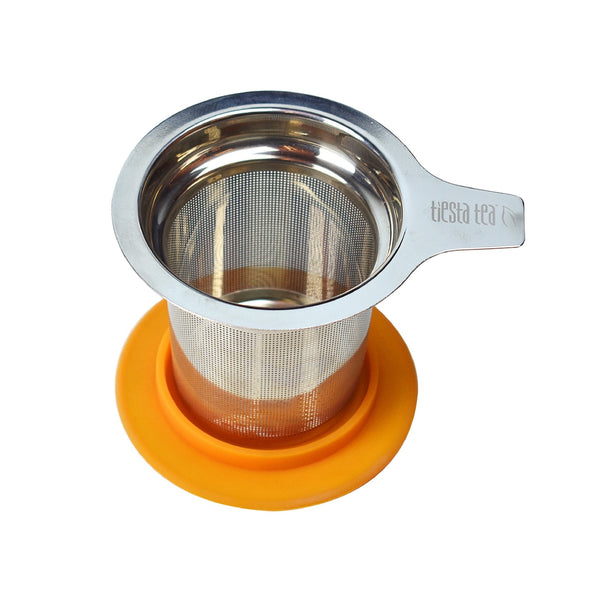
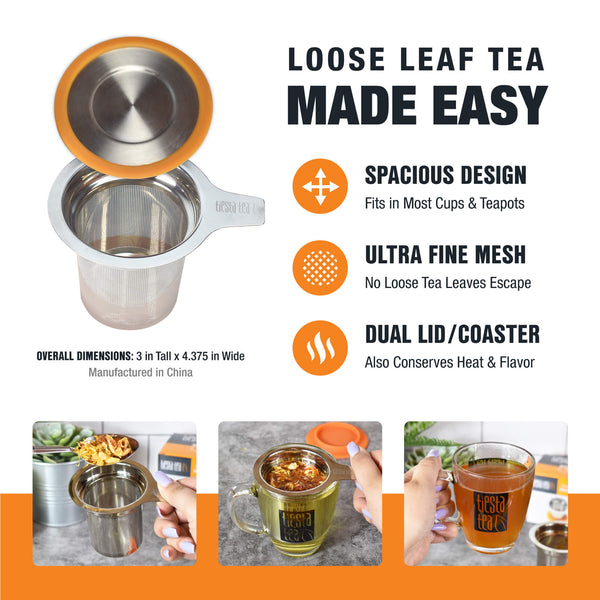
- A basket infuser gives leaves plenty of room to open.
- A teapot/ pitcher with a built-in filter keeps the process neat.
- A tea ball works in a pinch, but tiny ones can crowd the leaves.
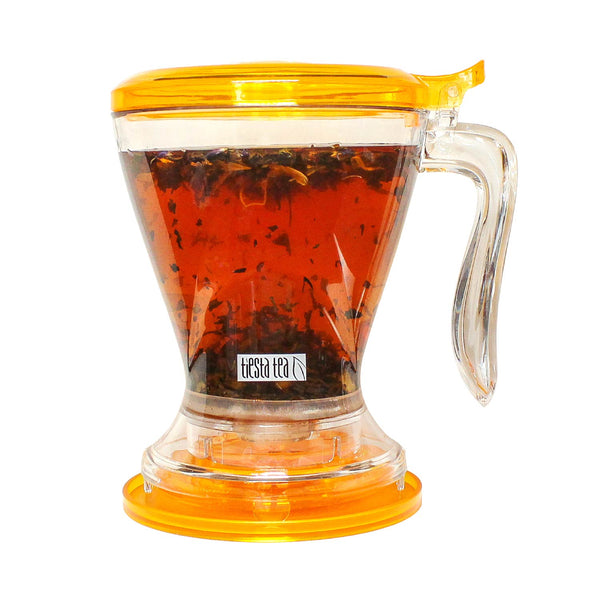
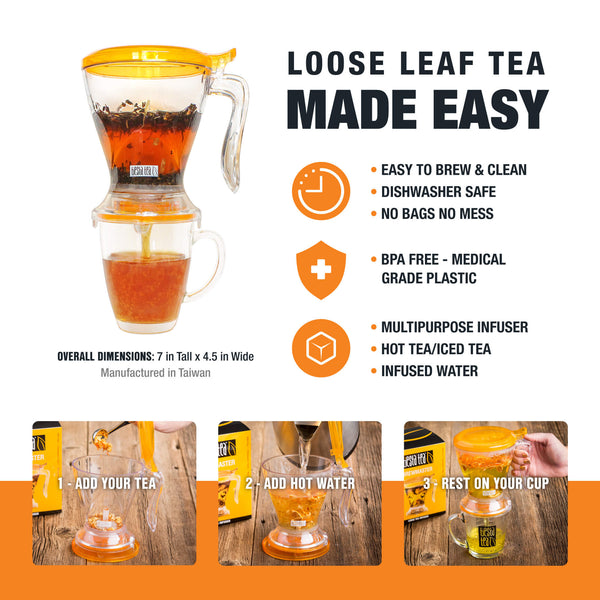
- The Brewmaster is our favorite recommendation. In this brewer, your tea leaves float freely in your hot water, so it is the option that allows your tea to unfurl the most for the best infusion.
How to Make Loose Leaf Tea Step by Step.
Once your tea, water, and tools are ready, the process is simple. Heat the water, measure the tea, steep it for the right time, and remove your strainer when you're done. After a cup or two, it becomes second nature.
Heat the water to the right temperature for your tea.
Water temperature matters more than most beginners expect. If the water is too hot, delicate teas can turn bitter or harsh. If it's too cool, stronger teas may taste thin and weak.
Green tea and white tea usually like gentler heat. Oolong and Black teas like a bit more warmth. Herbal blends can handle near-boiling water without complaint.
This quick guide keeps things easy:
| Tea Type | Water Temperature | Steep Time |
|---|---|---|
| Green Tea | 175 °F | 1 to 3 minutes |
| White Tea | 175°F | 3 to 5 minutes |
| Oolong Tea | 195 ° F | 3 to 5 minutes |
| Black Tea | 195 ° F | 3 to 5 minutes |
| Herbal Tea | 208 ° F | 5 to 7 minutes |
If you don't have a temperature-controlled kettle, don't panic. For green or white tea, boil the water, then let it sit for a minute or two before pouring. For black or herbal tea, use water soon after it boils. That small change can save a delicate tea from tasting like regret.
Steep for the right amount of time, then strain.
Add your measured tea to the infuser or teapot, then pour the hot water over the leaves. Set a timer. This part matters because "I'll remember" has a long history of turning into bitter tea.
Taste near the low end of the range of suggested times if you're unsure. If the tea already tastes good, strain it right away. You don't need to force it to sit longer because a chart said so. Your tongue does the talking.
Once the flavor is where you want it, remove or strain the leaves and pour. If the leaves stay in the water too long, the tea can turn rough, dry, or overly strong.
Simple ways to make your tea taste better every time.
Tea has a small learning curve, but the fixes are easy. Most bad cups come from one of three things, water that was too hot, tea that steeped too long, or not enough leaf. The good news is that each problem has a quick fix!
Fix bitter, weak, or bland tea without starting over.
If your tea tastes bitter, the water was probably too hot or the leaves steeped too long. Next time, lower the temperature or cut the steep time by 30 to 60 seconds. Green tea is the usual drama queen here.
If it tastes weak, add more tea next time before you extend the steep by much. A longer steep can help a little, but too much time often brings bitterness instead of body. More leaf usually gives a fuller cup with better flavor.
If the tea seems bland, check the basics. Old leaves lose punch. Poor-tasting water can flatten everything. A tiny tea ball can also cause trouble because the leaves can't open well.
You can also warm your cup or teapot before brewing. A quick rinse with hot water helps the tea stay hot longer, which makes the flavor feel rounder. It's a small move, but tea likes warm company.
Make the Most of Your Leaves, From Re-Steeping to Storage.
Loose leaf tea often gives you more than one good cup, which is part of the fun. It also lasts well when you store it the right way. A little care keeps your tea tasting fresh and saves money over time.
Re-steep loose leaf tea for extra cups.
Many loose leaf teas can be steeped more than once. The second cup may even taste softer, sweeter, or a bit smoother than the first.
For the next steep, use the same leaves and add a little more time. Start with 30 seconds to 1 extra minute, then adjust from there. Some teas fade after one re-steep, while others keep going for even 3 cups!
Store loose leaf tea so it stays fresh.
Tea's biggest enemies are heat, light, air, and moisture. Keep your leaves in an airtight container, such as loose leaf tea tins, and store them in a cool, dry cupboard.
Loose leaf tea only seems fancy at first. Once you know the basics, good water, the right temperature, enough room for the leaves, and proper steep time, the process is easy.
Your best cup will come from a little trial and error. Adjust the leaf, tweak the time, and pay attention to what tastes right to you. That is how a simple drink turns into a daily ritual worth keeping.